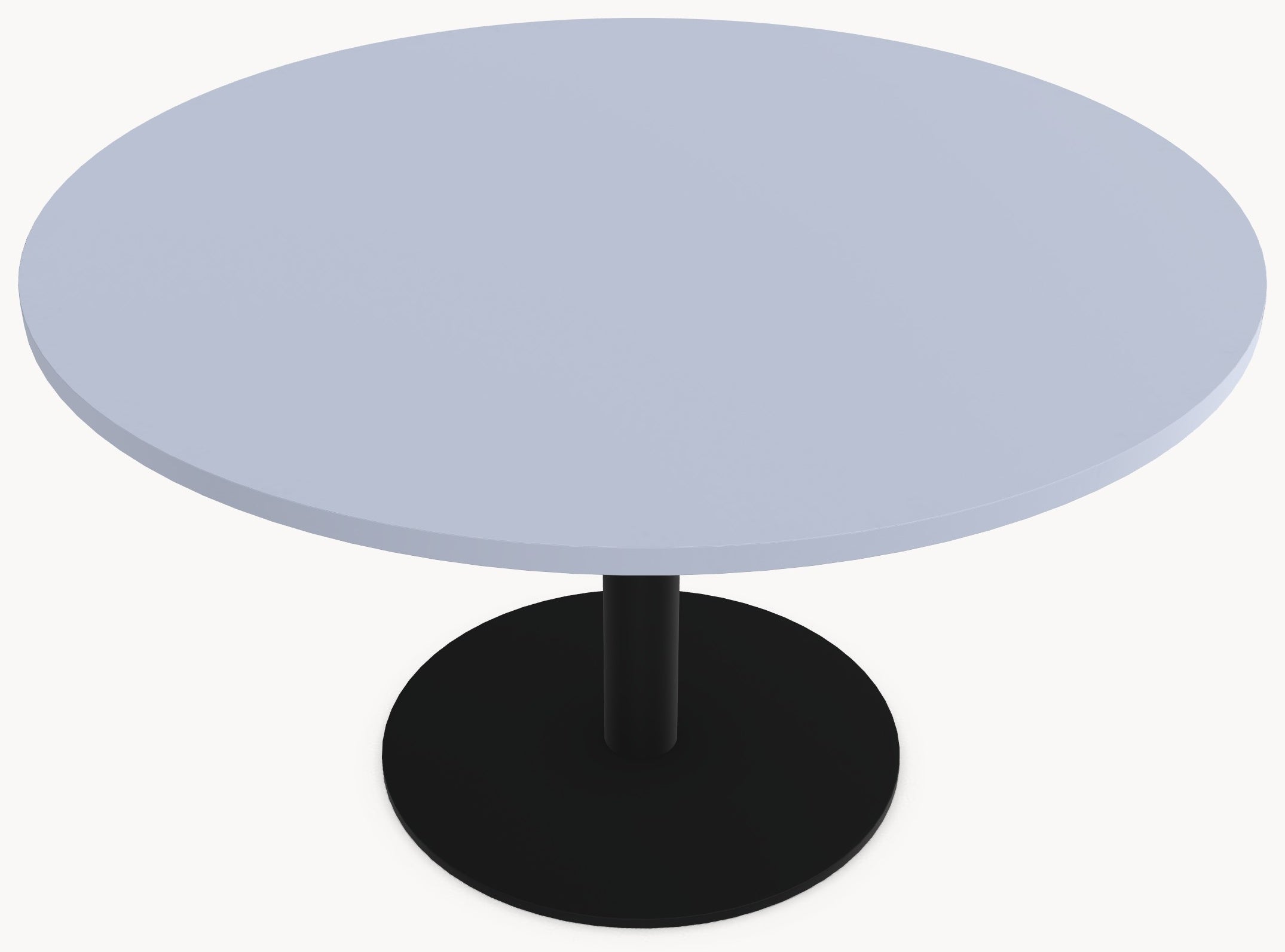
Rond
Rond
 Organisch Rond
 Vierkant
 Ovaal
Ovaal
 Deens Ovaal Recht
 Deens Ovaal Rond
 Half Ovaal
 Plat Ovaal
 Rechthoek
 Kiezel
 Organisch
 Boomstamrand
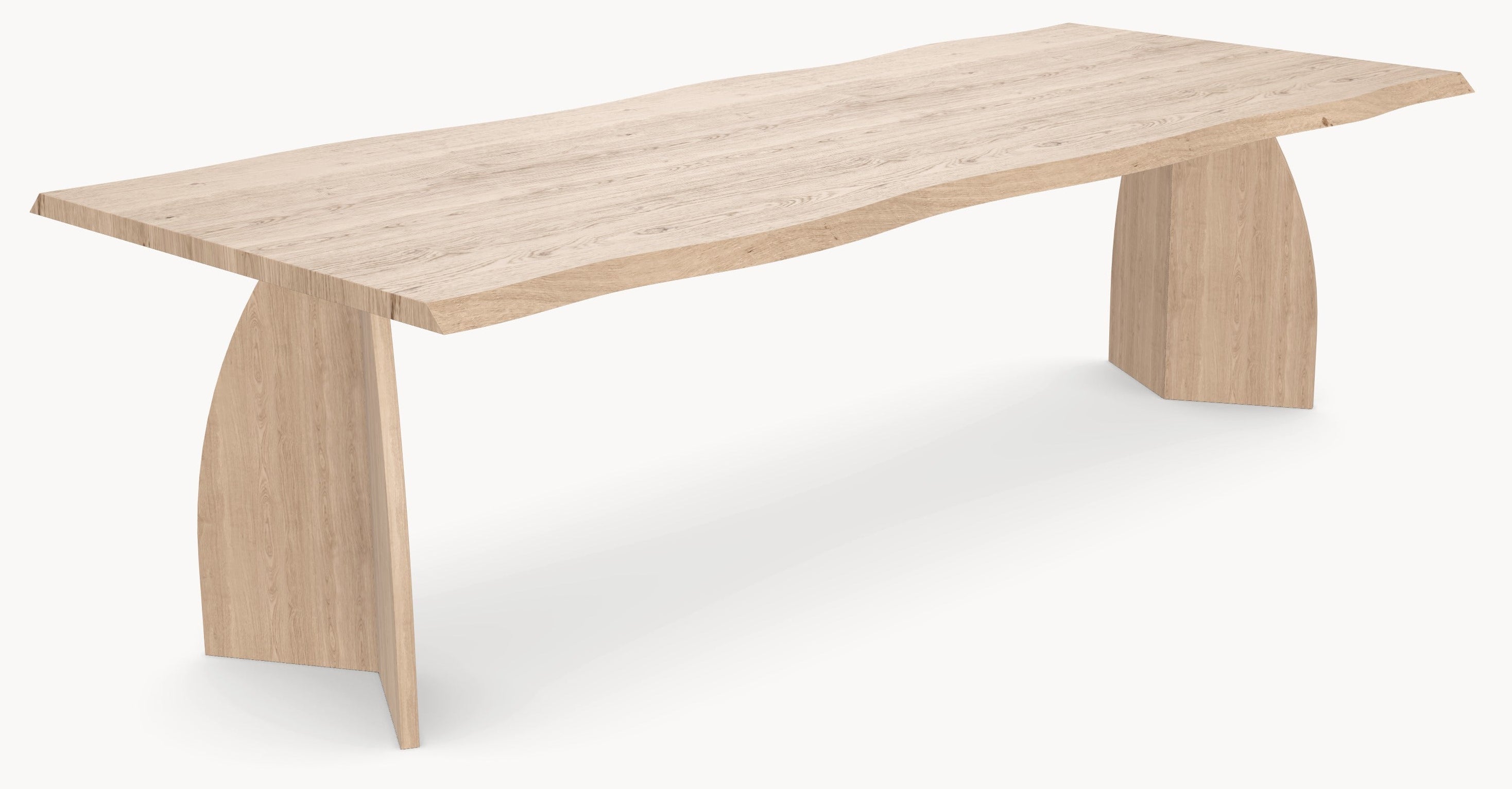
Solid oak or walnut dining table - what are the differences?
Written by Erik Tobben - Founder & Furniture Expert, Industrial Home
When choosing a solid wood dining table, you quickly face a fundamental question: oak or walnut? Both wood types are timeless, durable, and high-quality - but they differ significantly in color, appearance, hardness, and price. In this article, we compare the two wood types side-by-side, so you can make an informed choice for your ideal dining table.
Solid oak: warm, robust, and timeless
Oak is the most popular type of wood for dining tables in the Netherlands - and for good reason. The wood has a warm, golden-brown to light-beige hue that combines well with almost any interior. The grain of oak wood is distinct and characterful: broad, flame-like patterns alternate with finer stripes, making each table unique.
Oak is a hard wood (Janka hardness: approx. 5,900 N) and therefore particularly hard-wearing. It is resistant to daily use and maintains its shape well under varying temperatures and humidity. With the standard stain-resistant treatment included with Industrial Home, an oak table will last for generations.
In terms of color, oak becomes more beautiful with age: the wood oxidizes slightly and acquires a warmer, deeper hue. Do you want a specific color or shade? Oak is available in various shades - from light natural to dark brown or even grey.
Solid walnut: dark, elegant, and exclusive
Walnut has a rich, dark brown color with purple and chocolate-like undertones. The grain is finer and more even than oak, giving the wood a refined, luxurious appearance. Walnut looks stylish and exclusive - it is a wood type that immediately elevates your dining room's aesthetic.
Walnut is slightly softer than oak (Janka hardness: approx. 4,500 N), but still a robust wood type perfectly suitable for furniture. It is more susceptible to scratches than oak, but this can be well limited with the right finish. What is special about walnut is that the wood lightens with age - it oxidizes in the opposite direction compared to oak.
Walnut is more expensive than oak, partly because the walnut tree grows more slowly and is less commonly available. A walnut table is therefore a true investment - a piece of furniture that lasts for generations and makes a statement in your home.
Oak vs. walnut: the comparison
| Feature | Solid Oak | Solid Walnut |
|---|---|---|
| Color | Warm golden-brown / beige | Deep dark brown / chocolate |
| Grain | Pronounced, fiery | Fine, even, refined |
| Hardness (Janka) | ~5,900 N (very hard) | ~4,500 N (hard) |
| Color change | Darkens with age | Lightens with age |
| Maintenance | Oil 1-2 times per year | Oil 1-2 times per year |
| Price | Affordable to premium | Premium (higher price) |
| Appearance | Warm, robust, rustic | Elegant, dark, exclusive |
| Combinations | Steel, concrete, light colors | Marble, brass, dark tones |
Which wood type suits your interior?
The choice between oak and walnut largely depends on the atmosphere you want to create:
Choose oak if you want to...
- Create a warm, inviting atmosphere
- A table that matches an industrial, Scandinavian, or rustic interior
- A table that combines well with light walls and floors
- Excellent value for money
Choose walnut if you want to...
- An exclusive, luxurious look
- A dark wood type that contrasts with light spaces
- A table that suits a modern, eclectic, or high-end interior
- A unique statement piece that stands out
Combination tips: how to combine wood with your interior
Oak + black steel: The classic industrial combination. The warmth of the wood and the hardness of the steel enhance each other. Perfect for an open kitchen or loft apartment.
Oak + white or light gray: Timeless and bright. An oak table in a room with white walls and a light floor creates a calm, Scandinavian atmosphere.
Walnut + brass or gold: Warm dark tones combined with brass hues give an interior a rich, warm, luxurious look.
Walnut + marble or ceramic: A dark walnut base with a light marble-look top - or vice versa - is a statement combination that looks like a designer piece.
Solid wood maintenance
Both oak and walnut require similar maintenance. The most important tips:
- Oil your table 1-2 times a year with a quality furniture oil (e.g., Rubio Monocoat or Osmo).
- Immediately wipe away spilled liquids - prolonged contact with water damages the wood.
- Use coasters for hot pots or dishes.
- Avoid direct sunlight for extended periods - this can affect the color.
At Industrial Home, you choose your wood type, dimensions, and frame. Whether you prefer the warmth of oak or the elegance of walnut - your table will be custom-made and immediately visible in 3D.
👉 View our solid oak dining tables
👉 Start the 3D configurator
Read also
- Solid oak dining table: why oak is the best choice
- Japandi style: perfect for solid wood
- View all oak dining tables
- Custom solid oak table
Standard treatment: All oak and walnut tables at Industrial Home come standard with a professional stain-resistant treatment. This is included in the price - no extra steps needed.
View everything live in our showroom in Beusichem
Prefer to see before you decide? In our showroom in Beusichem, you can see, touch, and compare live: dining tables, chairs, coffee tables, armchairs, bar tables, bar stools, dining benches, and various bases. Everything arranged as it would be in a real interior.
The showroom can be visited by appointment - so you get full attention and time to choose at your leisure.
Walnut maintenance: how to keep it beautiful?
Solid walnut is less demanding than many people think. The basic rule is simple: oil the wood once or twice a year with a good furniture oil or beeswax. This prevents drying out and keeps the color deep and rich.
- Daily: dust with a dry or slightly damp cloth. Never use abrasive cleaners.
- Weekly: optionally, use a mild soap for stubborn stains - always dry immediately afterward.
- Annually: apply oil or wax. This keeps the wood supple and protected.
- Scratches: for minor scratches, you can use sandpaper (180-240 grit) and then re-treat. Solid wood - not veneer - so fully repairable.
Pay attention to heat and moisture: do not place hot pans directly on the wood and use a coaster. Walnut is sensitive to extremes in humidity - an indoor humidity of 45-60% is ideal.
Combining walnut: what goes well with it?
Walnut is a strong material that doesn't tolerate much competition - it speaks for itself. The best combinations:
- Base: walnut on walnut (warm and coherent) or black/matte steel (tough contrast)
- Chairs: natural leather, cognac-colored leather, rattan, light gray or beige fabric
- Floor: light wooden floor or light gray concrete look - walnut stands out beautifully
- Walls: white, soft green (sage green), terracotta, or dark gray
- Lighting: brass or gold pendant lamp above the table - gold and walnut are a classic combination
What you should avoid: other dark wood types in the same room (too busy), and too many red or orange tones (clashes with the purple undertones of walnut).
Oak vs. walnut price difference: what to expect?
Walnut is typically 20-40% more expensive than a comparable oak table. This is due to two reasons: the walnut tree grows significantly slower than oak (and therefore produces less wood), and the demand for walnut has risen sharply in recent years due to the popularity of Japandi and modern-luxury interiors.
At Industrial Home, both wood types are available in the same configuration system. You pay for the material, dimensions, and base - not for unnecessary intermediaries. The price of a custom walnut dining table starts from the mid-range and increases with size and base.
Oak or walnut: the decision aid
Still in doubt? Use this quick check:
- Do you want a light, warm atmosphere? → Oak
- Do you want a dark, exclusive look? → Walnut
- Is your interior Japandi, modern, or luxurious? → Walnut
- Is your interior industrial, rustic, or Scandinavian? → Oak
- Do you have children and want carefree use? → Oak (harder)
- Do you want a statement piece that stands out? → Walnut
Frequently asked questions about walnut vs oak
Is walnut harder to maintain than oak?
Not significantly. Both require annual oil treatment. Walnut is slightly more susceptible to scratches due to its lower Janka hardness, but as solid wood, it is fully sandable.
Can I see a walnut table before ordering?
Yes. Industrial Home has showrooms in The Hague and Beusichem. Feel free to visit to feel the solid walnut wood yourself and compare it with oak.
Is walnut more durable than oak?
Both wood types last for decades with proper maintenance. Oak is harder and slightly less prone to scratching. Walnut is rarer but not more fragile if treated well.
What color does walnut become after 10 years?
Walnut develops a warm, golden-brown patina. The wood becomes less dark (lighter) but richer in tone. After ten years, a well-maintained walnut table looks beautiful.
View all walnut dining tables → | View all oak dining tables →
Want to know more?
View our comprehensive guide and all walnut dining table models - 12 variants, fully configurable in 3D.
View all walnut dining tables →